
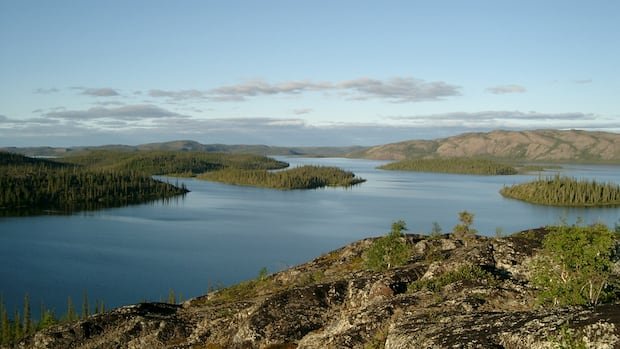

A recent study suggests that the composition of algae in the Great Bear Lake in the Northwest Territories has undergone significant changes due to climate change since the early 2000s. The study, published in the Proceedings of the National Academy of Sciences (PNAS) journal, points to the increased number of ice-free days and rising air temperatures as factors contributing to a rapid restructuring of the algal community in large northern lakes like Great Bear.
According to John Smol, a biology professor at Queen’s University and co-director of the Paleoecological Environmental Assessment and Research Lab (PEARL), more research is required to understand the implications of these changes on the creatures that consume algae and the broader food chain. The alteration in the type of algae present raises uncertainties about the overall impact.
By examining sediment layers in core samples collected from different parts of Great Bear Lake, the research team was able to discern shifts in the algae species over time. They found that the algae species in the lake have transitioned from varieties typically found in ice-covered lakes to those thriving in open water. The study also compared findings with research conducted on Lake Hazen and Great Slave Lake in the Northwest Territories.
Smol highlighted the surprising extent of changes observed in all three lakes, considering their large size. Despite their vastness, the lakes have shown significant alterations in recent years, contrary to expectations based on their size and thermal inertia.
Reid Stoyberg, an environmental scientist and fishing guide at Plummer’s Arctic Lodges on Great Bear Lake, expressed skepticism about the observable trends, citing insufficient data to draw definitive conclusions regarding the well-being of fish and invertebrates in the lake. While acknowledging the importance of noting changes, Stoyberg emphasized the necessity for further research to understand the potential impacts on the lake’s ecosystem.
In the face of environmental shifts, Stoyberg emphasized the adaptability of species in the harsh Great Bear Lake ecosystem, where any change can disrupt the delicate balance of survival strategies. He underscored the importance of ongoing research to monitor and comprehend the evolving dynamics of the lake’s ecosystem.