
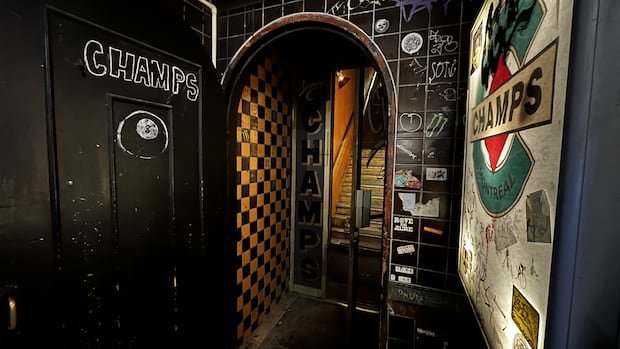

On Saint-Laurent Boulevard in Montreal, Champs Sports Bar, known for its diverse entertainment offerings and as a gathering place for the 2SLGBTQ+ community, faced challenges due to noise complaints from a neighboring apartment building. The bar underwent scrutiny by Montreal police, city noise inspectors, and Quebec’s liquor board, the Régie des alcools, des courses et des jeux.
Following an investigation, Champs was penalized for not having the proper dance permit, resulting in a $3,000 fine, a five-day closure, and the requirement to install soundproofing. The bar incurred substantial costs, totaling over $30,000 in legal fees and $14,000 for soundproofing alone.
After making adjustments to comply with regulations, including enhancing its sound system and hiring an acoustic expert, Champs recently obtained its official permit, allowing it to resume dance nights on weekends.
The noise-related challenges faced by Champs reflect a broader trend affecting various bars and venues in Montreal. Data obtained through a public records request revealed a significant increase in noise-related complaints to the city’s 311 service, particularly concentrated in the Plateau and downtown Ville-Marie areas.
Pamela Bernstein, an employee at Champs, noted that the neighborhood’s demographic changes may have contributed to the surge in complaints. With rising housing costs displacing traditional nightlife workers and residents exhibiting lower tolerance for noise, establishments like Champs are navigating a delicate balance between vibrant nightlife and residential tranquility.
In response to these issues, proposed measures include the establishment of a night mayor and council to mediate disputes, increasing soundproofing assistance programs, and limiting police involvement to essential safety matters. Various political parties, including Transition Montréal and Projet Montréal, have pledged to address the noise challenges facing Montreal’s nightlife scene.
Jon Weisz, the executive director of Les SMAQ, emphasized the economic and cultural significance of small music venues, advocating for clear noise regulations, non-police mediation strategies, and reduced fines to sustain Montreal’s artistic vibrancy.
Proposed bylaws, such as the Plateau’s suggested $10,000 fine for initial noise infractions, have raised concerns among cultural venue operators like Kiva Tanya Stimac, underscoring the importance of preserving creative spaces integral to Montreal’s cultural richness.
Recognizing the substantial economic impact of Montreal’s nightlife, experts recommend safeguarding these venues from new residential developments’ restrictive regulations. McGill University professor Will Straw highlighted the need for comprehensive policies to protect nightlife establishments and address the ongoing crisis precipitated by noise complaints.
In light of these challenges, stakeholders like Pamela Bernstein advocate for a balanced approach that respects the coexistence of nightlife and residential communities, emphasizing the importance of fostering a reasonable tolerance for noise in areas known for their vibrant nightlife scenes.