

Canada’s yearly inflation rate rose to 3.2 percent in May, as reported by Statistics Canada, driven by increasing gas prices and a surge in the cost of fresh fruits and vegetables. The spike in gas prices, attributed to an oil shortage stemming from the conflict in Iran, was the primary factor behind the continued uptick for another month, according to Statistics Canada. Gasoline prices surged by 33.2 percent year-over-year in May, compared to 28.6 percent in April, propelling the annual inflation rate to its highest level since late 2023.
Despite the upward trend, BMO’s chief economist Doug Porter mentioned that pump prices have recently moderated, which is expected to lower the headline inflation figure in the upcoming report. Excluding the influence of gasoline prices, the consumer price index still showed a higher increase of 2.2 percent in May, up from two percent in April, driven by elevated costs in food, recreation, and alcoholic beverages.
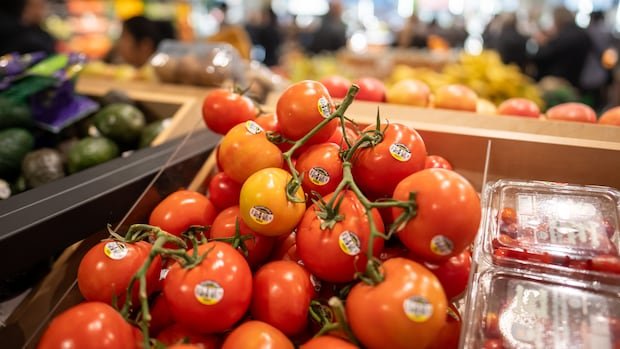
The prices of fresh fruits and vegetables saw significant hikes, with fresh fruit prices rising by 5.3 percent and fresh vegetable costs increasing by nine percent in May. Tomatoes experienced a notable surge of 45.2 percent, attributed to adverse weather conditions and reduced planting in Mexico due to U.S. tariffs, highlighting the ongoing impact of trade uncertainties on the economy, according to Pedro Antunes, chief economist at Signal49 Research.
Vegetable prices saw the largest month-over-month increase of 5.5 percent in May since 2008, driven by reduced supply and higher fuel expenses. The inflation rate for groceries, led by fresh produce, reached 4.3 percent year over year in May. Additionally, prices for computer equipment, software, and supplies rose by 3.9 percent in May, with the costs of RAM and SSDs increasing due to heightened demand from artificial intelligence data centers, causing a supply shortage for essential computer components.
Shelter costs experienced a slower growth rate of 1.7 percent year over year in May, balancing out increases in other sectors. Prices for passenger vehicles, tools, and household equipment also exhibited slower growth. Analysts had estimated the annual inflation rate to reach three percent in May, up from 2.8 percent in April.
While food and energy prices have escalated rapidly, core inflation measures excluding volatile items hovered around two percent, aligning with the Bank of Canada’s target rate. Abbey Xu, an economist at RBC, highlighted that while food and energy costs have surged, price growth in other categories remains subdued, indicating that the impact of gas prices on other goods is limited.
Despite these nuances, BMO’s Porter emphasized the significant impact of food inflation, expressing concern over the overall inflation rate surpassing three percent. Porter noted that sustaining an inflation rate above three percent, even for a single month, is concerning.