
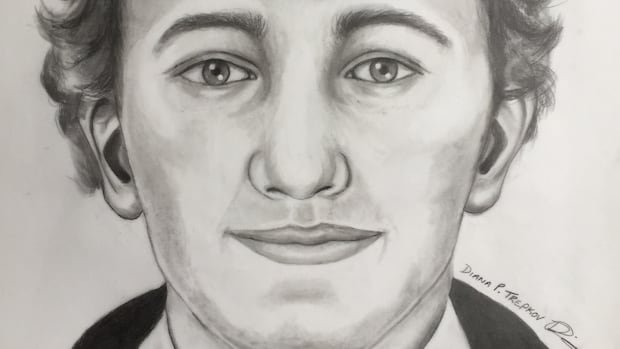

A group of scholars from the University of Waterloo have officially recognized the bodies of four sailors from the ill-fated Franklin Expedition, marking the end of a dispute that has spanned more than a century. In 1859, explorer Francis Leopold McClintock stumbled upon a skeleton at Gladman Point, located approximately 75 kilometers west of Gjoa Haven in present-day Nunavut, during a late night expedition. Among the bones, McClintock discovered a set of papers, including poems, letters, and a seaman’s certificate belonging to Harry Peglar, a petty officer on the doomed HMS Terror.
The HMS Terror, along with the HMS Erebus, had embarked on an expedition in 1845 that tragically ended in disaster. Trapped in ice along the Northwest Passage for over two years, the crews of both ships were forced to abandon their vessels, leading to desperate measures including cannibalism as they attempted to reach safety. Ultimately, all 129 crew members perished.
Douglas Stenton, an anthropologist from the University of Waterloo involved in the research, described the loss of life on the expedition as unparalleled in British polar exploration history. Despite initial disagreements over the identity of the individual found by McClintock, subsequent investigations using DNA analysis confirmed the remains to be those of Henry Peglar.
Peglar is the sole confirmed deceased crew member from the Terror, while researchers have also identified several crew members from the Erebus using the same genetic techniques. The bodies of three other sailors, identified as William Orren, David Young, and John Bridgens, were discovered 130 kilometers away from Peglar’s remains. Earlier, John Gregory, the engineer of the Erebus, and James Fitzjames, the captain whose body showed signs of cannibalism, had been positively identified.
Stenton emphasized that the genetic research has opened a new chapter in the Franklin Expedition’s narrative, being written by the descendants of the fallen sailors. Notably, a descendant of the crew, BBC journalist Rich Preston, was surprised to learn that his DNA matched that of one of the sailors. The research team is actively seeking living descendants to further identify remains discovered over time.
By leveraging mitochondrial and Y-chromosome DNA comparisons with known descendants, scientists can ascertain the probable identities of historical remains. The team, led by Stenton, is dedicated to locating additional descendants to identify more expedition members from the recovered remains. Stenton highlighted the inspirational aspect of this research for young scientists, bridging the past and present and underscoring the enduring relevance of the expedition’s lessons on ambition, technology, and human limitations.