

More than 2,900 electric passenger vehicles manufactured in China were imported into Canada in May. Global Affairs Canada data revealed that this marked the first month of electric vehicle imports from China following Prime Minister Mark Carney’s agreement to admit tens of thousands of these vehicles at a reduced tariff rate during his visit to China in January.
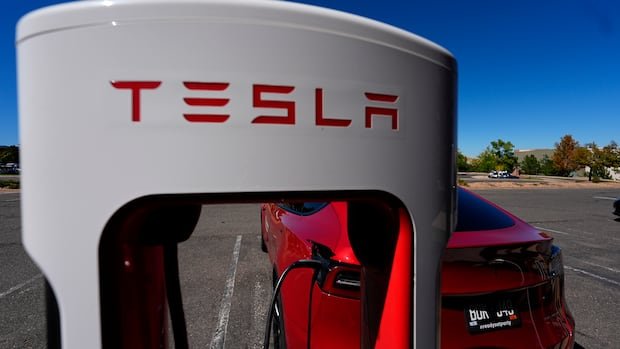
The report confirmed the arrival of 2,910 cars in May with more expected to follow, although specific brands or models were not disclosed. Carney hinted at the Economic Club of New York that the majority of the incoming models are likely to be Chinese-made Teslas.
An agreement between Ottawa and China on electric vehicles involved a tariff-quota arrangement, with China reducing certain duties on Canadian canola in return. Previously, Canada had imposed a 100 percent tariff on Chinese electric vehicles, but now permits up to 49,000 Chinese EVs annually at a 6.1 percent tariff, with a maximum quota of 24,500 cars over six months.
The reintroduction of federal EV rebates and escalating gas prices due to geopolitical tensions have led to a surge in interest in electric vehicles, according to Electric Mobility Canada. The organization’s president, Daniel Breton, noted that increased competition is benefiting consumers, with the influx of Chinese-made EVs expected to drive down prices. Breton cited examples like the Chevy Bolt, whose prices have already seen a decline.
However, the entry of Chinese EVs has raised concerns among Canada’s major automakers – Ford, General Motors, and Stellantis. They expressed apprehension about the impact on the domestic auto industry and potential cybersecurity risks associated with these vehicles. Brian Kingston, CEO of the Canadian Vehicle Manufacturers Association, highlighted China’s departure from established trade and investment norms that have traditionally supported the auto industry and the Canadian economy.