
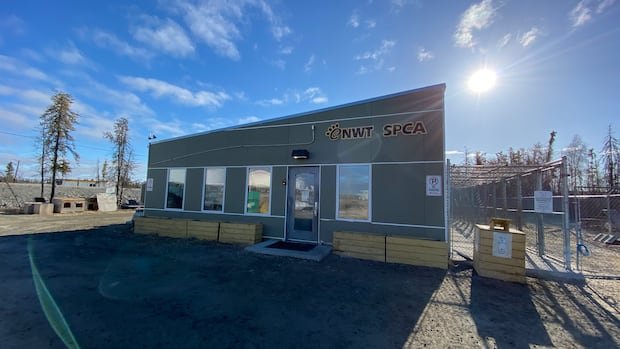

The N.W.T. SPCA is urging the territorial government to acknowledge domestic animals as sentient beings rather than mere property. Current N.W.T. legislation, specifically the Dog Act, categorizes dogs as possessions of their owners. The act permits authorities to transfer ownership of a dog if the owner is detained.
Over the years, concerns about animal welfare in the Northwest Territories have been raised by both visitors and residents. The N.W.T. SPCA highlights that the existing laws restrict authorities’ ability to intervene promptly in certain welfare cases.
Nicole Spencer, the executive director of the N.W.T. SPCA, emphasizes that the current legal framework, although setting basic standards like food, water, and shelter, may not adequately address complex animal welfare issues.
Jennifer Friedman, an animal welfare lawyer in Toronto, explains that pets are commonly viewed as property across Canada, including in Ontario. However, some provinces like British Columbia are progressing in this regard. In 2024, British Columbia broadened the criteria for courts to consider the well-being of pets in family disputes such as divorces.
The Department of Municipal and Community Affairs, responsible for the Dog Act, mentioned that there are no immediate plans to revise the legislation. Minister Vince McKay clarified that the act serves as a foundation for municipalities to manage animal-related matters according to their needs. McKay emphasized the importance of balancing the need for legislative updates with broader priorities and community-specific regulations.