
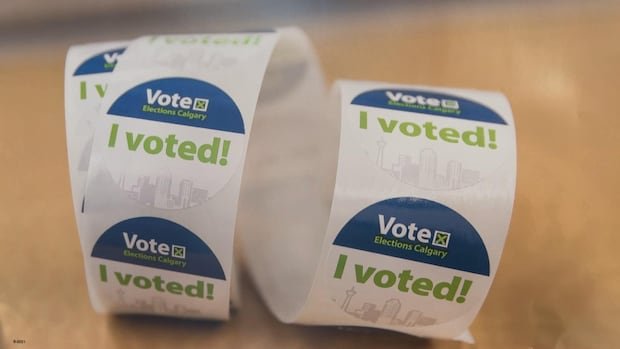

In local Calgary elections, voter engagement tends to be lower compared to federal or provincial contests, with some historical instances of notably low turnout. For instance, during the 2004 election, only 19.8% of eligible voters participated when Mayor Dave Bronconnier faced off against a relatively unknown field. Similarly, in 1995, voter turnout was just 23.4% when Al Duerr won re-election with over 100,000 votes, while other candidates received minimal support.
Concerns about declining voter turnout persist as Mayor Jyoti Gondek seeks re-election. Unlike past scenarios, current polls indicate a competitive race for Calgary’s first female mayor, with experienced opponents challenging her. This tight competition raises questions about the factors contributing to voter disengagement, such as the array of candidates in 2025, the complexities of the new party system, and distractions diverting public attention.
Experts like Lori Williams emphasize the importance of every vote in municipal elections and express worries about the lack of engagement in the current electoral process. Observations from recent mayoral debates and forums underscore the necessity for active participation in democracy to ensure informed decision-making and representation.
Notably, the advance voting trend, which had been increasing in previous elections, has shown a significant decline in the current cycle. Despite population growth, early voter turnout is notably lower than in previous years, indicating a potential decrease in overall voter participation.
The latest polls reveal a close race among front-runners like Jeromy Farkas, Jyoti Gondek, and Sonya Sharp, with a considerable number of undecided voters adding to the uncertainty of the outcome. Factors like voter indecision, competing global and national news, and the complexity of the new party system contribute to the challenges of voter engagement in the upcoming election.
The ongoing Alberta teachers’ strike and disruptions in postal services further complicate the electoral process, affecting voter information dissemination and candidate outreach efforts. With various distractions competing for public attention, including sports events, international conflicts, and social media platforms, the upcoming election faces significant hurdles in capturing voter interest and participation.
The proliferation of digital platforms for communication adds another layer of complexity to reaching voters effectively. The evolving landscape of information dissemination and the diverse array of issues vying for public attention create a challenging environment for political candidates to engage with voters and convey their messages effectively.
As the election date approaches, uncertainties loom over voter turnout and the overall impact of external factors on the electoral process. The evolving dynamics of the 2025 Calgary municipal election underscore the need for increased civic engagement and informed decision-making to ensure a representative and participatory democratic process.