

Massacres persist in El Fasher, Sudan, following the rebel forces’ seizure of control, culminating in an 18-month blockade and escalating concerns of a severe humanitarian crisis. The recent violence unfolded as the Rapid Support Forces (RSF) overtook the army’s base in the city, solidifying their dominion over Darfur’s vast western expanse. Satellite imagery indicates bodies strewn in the streets, with a potential death toll in the hundreds, although limited communication and sparse refugee accounts hinder a precise assessment of the situation.
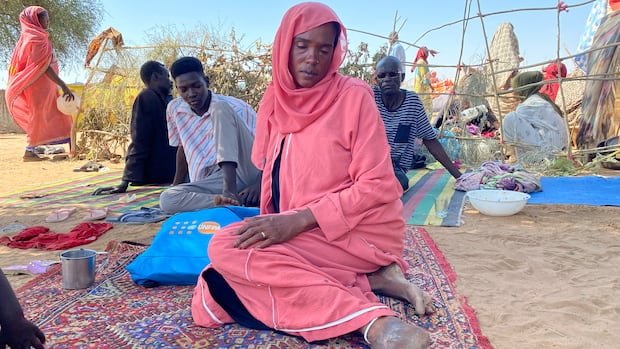
Aid workers and officials express apprehension even for those who managed to escape El Fasher, emphasizing the harrowing experiences faced by predominantly vulnerable groups like women, children, and the elderly during their flight. Reports of extortion, rape, and violence along the treacherous journey have surfaced, with young men being abducted or killed en route, while many individuals are forcibly detained within the area.
Tom Fletcher, the UN under-secretary-general for humanitarian affairs and emergency relief, underscored the imperative for swift action to alleviate the “catastrophic levels of human suffering” in El Fasher and Darfur. The United Nations has characterized Sudan’s protracted civil conflict, marked by widespread atrocities including sexual violence and mass displacement, as the most significant humanitarian crisis globally.
The crisis in Sudan is fundamentally a failure of protective measures and an obligation to uphold international law, as articulated by Fletcher. Concerns were previously raised by aid groups and activists about the potential for ethnic violence as the RSF gained supremacy, drawing parallels to the past atrocities committed by the Janjaweed militia in Darfur.
Nadia Taha shared her distressing account of losing contact with her uncle and other relatives in El Fasher, expressing deep concern for their safety amid the ongoing violence. Tragically, her brother, Mohammed Adam Abdullah Taha, a member of the Sudanese army, was reportedly killed by an RSF drone while aiding civilians seeking refuge from the besieged city.
Despite repeated denials by the RSF regarding civilian casualties, allegations persist, including the recent claims from the World Health Organization regarding fatalities at El Fasher’s Saudi Hospital. RSF commander Gen. Mohammed Hamdan Dagalo acknowledged instances of misconduct by his forces, pledging accountability through ongoing investigations.
The reported backing of the RSF by the UAE, akin to its support for armed groups in other conflict zones, has drawn scrutiny for exacerbating the situation in Sudan. The UAE’s provision of humanitarian aid, although substantial, has been criticized by Sudan’s UN Ambassador for perpetuating aggression in the region and evading accountability for its role.
Amid the escalating crisis, displaced individuals are undertaking perilous journeys towards safety, with some embarking on an arduous trek spanning over 800 kilometers to reach the capital, Khartoum. The exodus from El Fasher has led to overcrowded refugee camps, highlighting the urgent need for international support in addressing the unfolding tragedy.
Disturbing satellite imagery corroborates reports of mass killings and systematic violence in El Fasher, indicating a deliberate campaign of ethnic cleansing. The dire situation calls for immediate intervention and concerted efforts to stem the escalating humanitarian catastrophe in Sudan.