
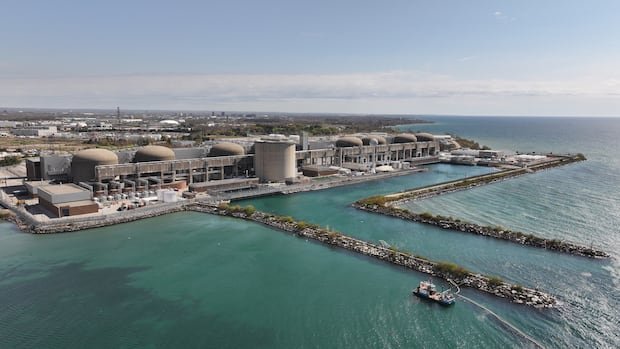

A man from Ontario, aged 38, has been deemed not criminally responsible for a rare charge under Canada’s state secrets law. The charge was related to him sharing sensitive information about nuclear power plant vulnerabilities with a foreign entity or terrorist group via a YouTube video. The individual, identified as James Alexander Mousaly and an employee of Ontario Power Generation, was suffering from bipolar disorder and psychosis when he livestreamed the information on January 30, 2024.
According to the ruling by a judge in Oshawa, Ont., Mousaly believed he was a prophet and a whistleblower about workplace safety due to his delusions. The video was taken down by family members within a day, and there was limited viewership. Transcripts revealed him expressing anti-nuclear sentiments and offering assistance to cause harm to nuclear power stations worldwide.
Authorities confirmed that the video disclosed at least one vulnerability of a Canadian nuclear power plant, which was classified as secret. Ontario Power Generation stated that the information shared could aid an adversary in optimizing an attack on a nuclear facility in Canada or elsewhere. The specifics of the vulnerability remain sealed due to sensitive nature.
Mousaly, who had worked as a nuclear operator, had his site credentials revoked prior to the incident. Following the trial, the federal government removed some of his information from official platforms. His lawyer highlighted that Mousaly did not intend to damage the plant but aimed to raise safety concerns. He acknowledged the unlawful nature of his actions, attributing them to his mental health issues.
The court ordered Mousaly to be held in custody until a place becomes available at a specialized mental health facility. A mental health review board will oversee his case and determine his continued detention. The charge against him falls under the Security of Information Act, now known as the Foreign Interference and Security of Information Act, making it a crime to share safeguarded information with foreign entities or terrorist groups to harm Canadian interests.
This case marks only the third instance of charges under this act reaching a legal conclusion. Prior cases include the conviction of RCMP official Cameron Ortis in 2023 and former navy lieutenant Jeffrey Delisle in 2012 for breaching national security laws.