
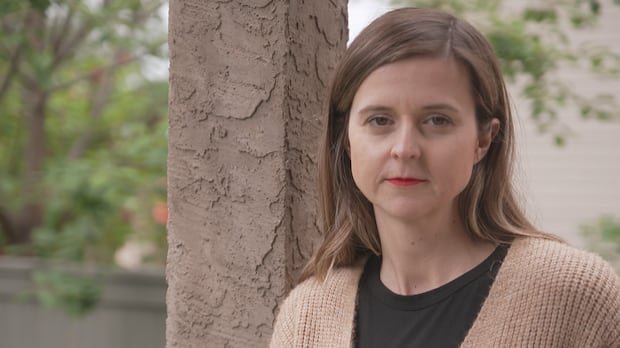

Kelowna nurse Ashley Stone finds herself at her kitchen table, facing a bulky blue folder revealing a decade-long trail of fraudulent activities committed under her name by imposters. Expressing her ordeal, Stone describes the situation as a never-ending nightmare, involving constant battles with debt collectors to prove her innocence. Despite years passing, the repercussions of the frauds linger, leaving Stone anxious about dealing with it even in her old age.
Stone, employed by Interior Health, a prominent healthcare provider in British Columbia’s southeastern region, demands accountability for the massive data breach in 2009 that the organization denied for ten years. Recalling the discovery of multiple nurses falling victim to identity theft simultaneously in 2014 at Kelowna General Hospital, Stone expresses disappointment in the lack of seriousness displayed by Interior Health towards the issue.
Amidst concerns raised by a former Ontario privacy commissioner, Ann Cavoukian, an external investigation is urged to uncover the truth behind Interior Health’s prolonged denial of the data breach, affecting around 28,000 healthcare workers. The investigation reveals a disturbing pattern where multiple instances of stolen identities among nurses and medical workers across various B.C. Interior locations were reported over a decade ago, yet senior management persisted in denying any responsibility.
Interior Health executives declined interviews, citing ongoing legal proceedings, while the organization emphasized prioritizing the protection of personal information. The investigation exposes flaws in handling data breaches that shield government agencies and corporations from accountability, enabling crime networks to exploit stolen employee data unchecked.
The failure to acknowledge the breach a decade ago is believed to have emboldened fraudsters, perpetuating their criminal activities unhindered over the years. Stone recounts the chaos that unfolded among nurses in her ward a decade ago, facing unwarranted accusations and navigating through a growing list of reported identity theft cases, highlighting the distress and financial impact on the victims. Another victim, Tracey Maxfield, refutes claims of Interior Health’s ignorance regarding the situation.
Despite Stone’s persistent efforts to bring attention to the issue within Interior Health, the response from Mark Braidwood, the organization’s director of information privacy and security, downplays the severity of the situation, adding to the frustration and sense of abandonment felt by the affected employees.
As the investigation delves deeper, it uncovers the exploitation of stolen data by criminal networks, leading to fraudulent activities like hacking into Canada Revenue Agency accounts and obtaining illicit financial gains. The infiltration of Alberta-based crime groups into the stolen Interior Health data further exacerbates the situation, resulting in financial losses and legal complications for the victims.
The investigation identifies individuals allegedly involved in using stolen identities for criminal activities, shedding light on the severity of the breach and its far-reaching consequences. Despite Interior Health’s persistent denial of any wrongdoing, the mounting evidence and testimonies from affected employees challenge the organization’s claims of ignorance and incompetence in handling the data breach.
As victims continue to seek justice and accountability, the revelation of a list containing 20,000 names discovered by the RCMP in 2024 further underscores the magnitude of the breach. Interior Health’s statements regarding the incident and its handling of the aftermath are met with skepticism and criticism, as affected employees demand transparency and acknowledgment of the breach’s impact on their lives.
In the face of ongoing legal battles and a class-action lawsuit, the victims remain resolute in seeking closure and holding Interior Health accountable for the years of distress and financial turmoil caused by the data breach. Stone’s determination to advocate for her colleagues and ensure accountability from Interior Health reflects the resilience and resolve of those affected by the prolonged ordeal.