
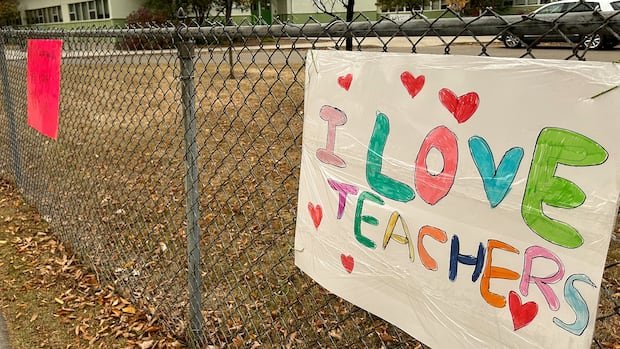

About 51,000 teachers in Alberta initiated a walkout on Monday, prompting a lockout notice from the Teachers’ Employer Bargaining Association (TEBA). This action resulted in the closure of schools across the province as the teachers’ association failed to reach a mutually acceptable agreement with employers. The lockout notice, scheduled to take effect on Thursday, was issued by TEBA, representing school boards negotiating on behalf of all public, Catholic, and francophone teachers in Alberta.
The Alberta Teachers’ Association (ATA) expressed expectations of the government’s response to the strike by issuing a lockout notice. According to the Canadian Industrial Relations Board, a lockout is a strategic move by employers to compel a union to agree to employment terms and sign a collective bargaining agreement. ATA President Jason Schilling emphasized at a news conference that the decision to strike was not taken lightly, highlighting concerns about the underfunding of public education leading to detrimental impacts on classrooms and student welfare.
This strike marks the first province-wide teachers’ strike in Alberta’s history, affecting over 750,000 students across the region. Alberta’s Finance Minister, Nate Horner, urged the association to resume negotiations to resolve the impasse. Despite the disruptions caused by the strike and class cancellations, the provincial government currently has no plans to convene the legislature early for back-to-work legislation for teachers.
Schilling mentioned that the ATA is engaged in preliminary talks with TEBA to address the ongoing dispute. Additionally, Professor Jason Foster from Athabasca University explained on CBC’s The Homestretch that lockouts are employed by employers to maintain control during contractual disagreements, preventing potential disruptions like rotating strikes. The prevailing discord between the parties indicates significant gaps in their positions, emphasizing the challenges in finding common ground for a resolution.
Given the uncertainties surrounding the strike duration, school boards have advised families against sending children to school or bus stops. To support families impacted by the strike, the government is offering $30 per day per child aged 12 and under for the duration of the strike. Moreover, the government has announced various support measures, including increased child-care subsidies and educational resources to mitigate the effects of the strike on students.
The ongoing dispute stems from the expired contract between the teachers and employers, leading to escalating tensions over issues such as salaries, class sizes, and educational support. Despite tentative agreements on salary increases and additional teaching positions, the rejection of these offers by teachers has led to the current standoff. Concerns persist among teachers regarding inflation-adjusted salaries, inadequate staffing levels, and classroom conditions, as they strive to meet the diverse needs of students amidst growing enrollment numbers.
The absence of class-size caps remains a contentious point, with Premier Danielle Smith citing space constraints in schools as a barrier to implementing such measures. However, the ATA argues that other provinces have managed to enhance education quality without additional space through innovative solutions. The ongoing discussions between the government and the ATA aim to find common ground for a comprehensive agreement to address the pressing issues in Alberta’s education sector.
Former cabinet minister Peter Guthrie highlighted the need for increased funding for K-12 education, emphasizing the importance of proactive planning to accommodate growth in student numbers. Guthrie criticized the government’s handling of the contract dispute, suggesting a more supportive and respectful approach towards teachers could facilitate a swifter resolution. Despite the complexities involved, efforts are underway to bridge the gaps and reach a favorable outcome for all stakeholders involved in the education sector in Alberta.