
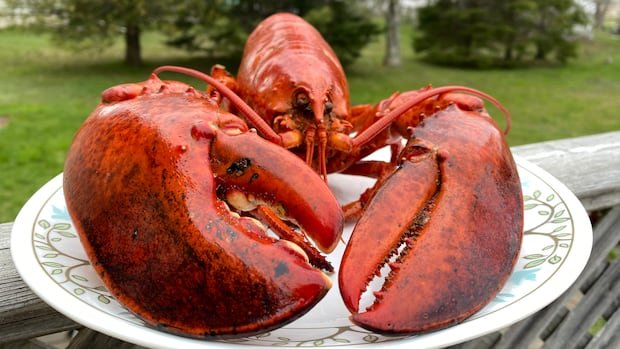

In Cape Breton, a culinary instructor at Nova Scotia Community College is educating students on the humane cooking and killing of lobsters. Adam White, based at the NSCC Sydney Waterfront Campus, brings 20 years of experience as a culinary instructor after a 15-year career as a chef.
White adopted a new approach based on research from England, where a ban on boiling lobsters alive will be enforced by 2030. Recognizing the importance of humane practices in food preparation, White emphasized the need to consider ethical treatment of animals in the culinary industry.
Traditionally, chefs would boil lobsters alive in salted water for 11 to 14 minutes. However, evolving perspectives led to methods like quick piercing with a knife to minimize suffering. White now advocates for freezing lobsters for 20 to 30 minutes to reduce pain by slowing their metabolism before swiftly ending their lives with a knife between the eyes.
Several countries, including Switzerland, Norway, and New Zealand, have outlawed boiling lobsters alive. The decision in England followed a comprehensive review by the London School of Economics, highlighting the capacity of crustaceans and cephalopods to experience pain, as demonstrated by research from expert Robert Elwood.
Elwood, a retired professor from Queen’s University Belfast, conducted extensive studies on pain perception in crustaceans like lobsters and crabs. His findings revealed responses indicative of pain rather than mere reflex actions, prompting a reevaluation of traditional cooking methods for these creatures.
In light of the evidence supporting the pain sensitivity of lobsters, Elwood emphasized the need to adopt more compassionate killing methods rather than subjecting them to prolonged suffering. Despite this growing understanding, Nova Scotia’s Department of Fisheries and Aquaculture currently has no plans to revise existing practices.
The initiative by Adam White to educate culinary students on humane lobster preparation reflects a global shift towards ethical considerations in food production and consumption.