
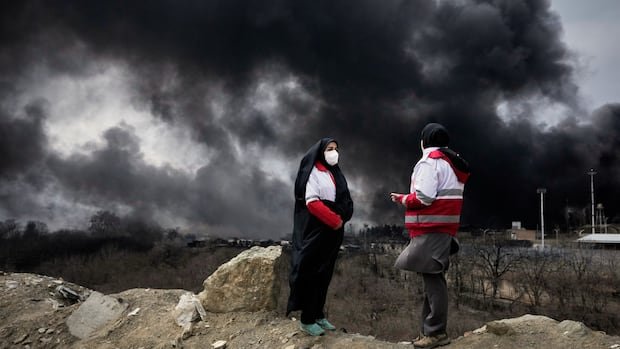

Scientists are warning about the potential health and environmental impacts of recent Israeli airstrikes on oil storage sites in and around Tehran. The strikes, which caused massive flames and black clouds, have led to concerns about long-lasting effects on water and food sources in the area.
The World Health Organization (WHO) issued a cautionary statement regarding the presence of toxic pollutants in the air following the attacks on four oil depots and an oil transfer center. Residents in the densely populated city of Tehran reported difficulties in breathing, along with symptoms like dizziness and burning sensations due to the black, oily rain that fell after the strikes.
WHO spokesperson Christian Lindmeier emphasized the respiratory risks posed by the black rain and accompanying acidic elements, highlighting the potential danger to the population. The UN health agency has been receiving reports of black rain occurrences since the airstrikes, prompting Iran to advise its citizens to stay indoors to minimize exposure.
Peter Ross, a pollution expert, pointed out the severe health risks associated with petroleum mixtures containing hazardous compounds like benzene. These toxic gases released into the atmosphere during fires can have immediate adverse effects on individuals, posing risks of unconsciousness and even fatality.
Reports of burning sensations in the eyes suggest the presence of sulfur and nitrogen oxides, which can lead to acid rain and raise concerns about carcinogenic compounds entering water systems. Downwind and downstream areas are particularly vulnerable to health hazards, with potential threats to public health, water safety, and agricultural productivity.
The environmental damage caused by the airstrikes has drawn comparisons to past incidents like the Kuwaiti oil fires during the Gulf War, emphasizing the potential long-term consequences on ecosystems and human health. The UN and WHO are monitoring the health risks associated with the release of toxic substances into the air, questioning the legality and humanitarian implications of the targeted sites.
Critics have raised concerns about civilian risks posed by targeting oil storage facilities in densely populated urban areas like Tehran. Ecotoxicologists warn about the unknown effects of exposure to liberated compounds from the explosions, emphasizing the need to address both acute and chronic health risks for individuals and the environment.
The Conflict and Environment Observatory has documented numerous incidents with environmental risks stemming from the ongoing conflict, including attacks on military installations and marine pollution incidents. The fallout from the war is not limited to the immediate region, with implications for environmental harm spreading beyond Iran’s borders.