
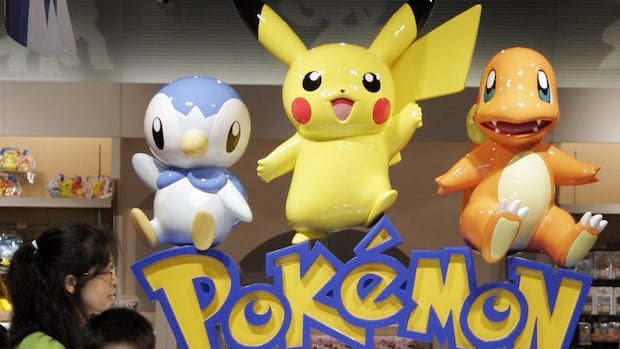

The adorable and collectible creatures of Pokémon have evolved into a significant soft power influence. Satoshi Tajiri, inspired by his childhood love for bugs and arcade games, combined these interests to create one of the world’s largest franchises.
According to Tokyo-based writer Matt Alt, Pokémon has become a lifestyle phenomenon. Celebrating its 30th anniversary this month, the franchise kicked off festivities with a Super Bowl ad featuring celebrities like Maitreyi Ramakrishnan and Lady Gaga discussing their favorite Pokémon.
Since its debut in 1996, Pokémon has become the top-grossing media franchise globally, surpassing major IPs such as Star Wars and Harry Potter, raking in over $100 billion in revenue, with $12 billion in profit reported in 2024.
Driven by its video games, trading cards, and anime series, Pokémon has transformed into an economic powerhouse and a source of soft power enhancing Japan’s global influence.
Tajiri’s vision for a game with 150 creatures culminated in the release of Pokémon Red and Green in Japan in 1996, leading to an extensive media ecosystem upon its arrival in North America in 1999.
The franchise’s impact extends beyond entertainment, with Pokémon cards becoming valuable collectibles and the augmented reality app Pokémon Go captivating audiences worldwide. The Pokémon TV series, following characters like Ash Ketchum for 25 years, has also contributed to its enduring success.
Regarded as a soft power entity, Pokémon’s global popularity has subtly influenced culture and politics. The franchise’s ability to resonate with diverse audiences underscores its status as a cultural phenomenon transcending borders.