
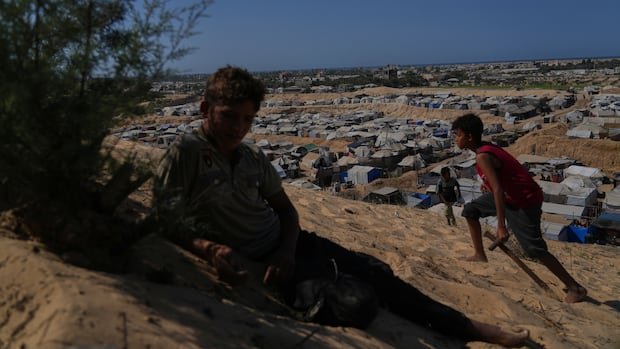

The International Court of Justice (ICJ) ruled on Wednesday that Israel must allow the United Nations Relief and Works Agency for Palestine Refugees (UNRWA) to provide humanitarian aid in Gaza. The UN General Assembly had requested the court’s opinion after Israel prohibited UNRWA, the primary aid provider in Gaza, from operating in the region. According to ICJ President Yuji Iwasawa, Israel is obligated to support relief efforts by the UN and its entities, including UNRWA.
Israel refuted any violations of international law, citing bias in the court proceedings and abstaining from the April hearings. Nonetheless, the country submitted a 38-page document for the court’s review. The advisory opinion holds significant legal weight and could have broader implications for UN operations globally.
Israel rejected the ICJ’s findings, emphasizing its commitment to upholding international law. Israeli Ambassador to the United Nations, Danny Danon, criticized the advisory opinion as “shameful,” asserting that blaming Israel for lack of cooperation with UN bodies is unfounded.
The recent fragile U.S.-brokered Gaza ceasefire, effective since October 10, aims to end the two-year conflict in Gaza. However, the truce faced challenges as Israeli forces launched strikes following the deaths of two soldiers, testing the ceasefire’s stability. Under the agreement, 600 aid trucks are permitted to enter Gaza daily.
Hamas negotiator Khalil al-Hayya confirmed Israel’s compliance with aid deliveries as per the ceasefire terms. The UN announced plans to increase aid shipments to Gaza. During the ICJ hearings in April, Palestinian Ambassador Ammar Hijazi accused Israel of harming Palestinians and obstructing humanitarian efforts.
Israel’s ban on UNRWA began in January, sparking criticism from Prime Minister Benjamin Netanyahu and his allies, who allege UNRWA’s ties to Hamas. Canada temporarily halted UNRWA funding in response to these claims but resumed it after receiving a UN report. UNRWA plays a vital role in providing humanitarian assistance to millions in Gaza and the surrounding region.
In March, Israel ceased aid shipments for three months, leading to food shortages in Gaza. Despite accusations of hoarding supplies, Israel allowed some aid deliveries and proposed shifting distribution to the Gaza Humanitarian Foundation. The GHF halted operations after the recent ceasefire agreement.
Advisory opinions from the ICJ are non-binding, but countries are expected to adhere to them under a UN treaty. The General Assembly sought guidance from the ICJ on Israel’s responsibilities towards UN activities in Gaza to ensure essential supplies for Palestinians. The ICJ has issued previous opinions on Israeli policies, including condemning the West Bank barrier and calling for an end to settlements in Palestinian territories.
Separately, the International Criminal Court issued arrest warrants for Netanyahu and his former defense minister, accusing them of using starvation as a weapon and targeting civilians. Israel denies these charges and rejects allegations of genocide in Gaza. The conflict, sparked by Hamas attacks, has led to significant casualties, with differing figures reported by Israeli and Palestinian authorities.