
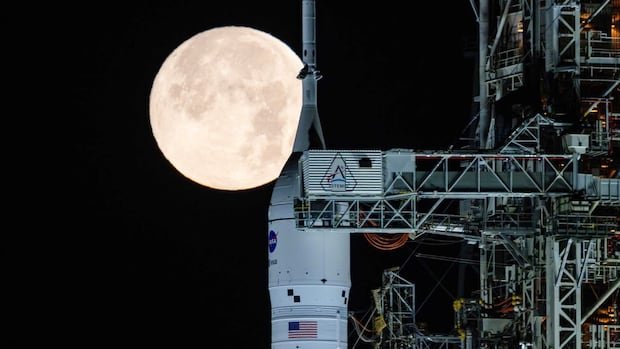

New findings from scientists indicate that lunar samples brought back by Apollo astronauts more than 50 years ago are offering fresh insights into the moon’s enigmatic magnetic field.
A study conducted by researchers at the University of Oxford in England suggests that the moon’s magnetic field has been historically weak but experienced short-lived periods of heightened activity surpassing Earth’s magnetic field intensity around three to four billion years ago. These findings have been published in the journal Nature Geoscience.
The research reveals that the moon had brief spikes of strong magnetic field strength lasting up to 5,000 years, possibly even only a few decades. These spikes were attributed to the melting of titanium-rich rocks deep within the moon, according to lead author Claire Nichols.
Prior to this study, scientists believed that the lunar magnetic field remained strong for extended periods based on the analysis of rocks collected during the Apollo missions between 1969 and 1972. With the upcoming Artemis program, where astronauts will explore the moon’s south polar region instead of the previously visited low-latitude areas, new samples are expected to provide further insights into the moon’s ancient magnetic properties.
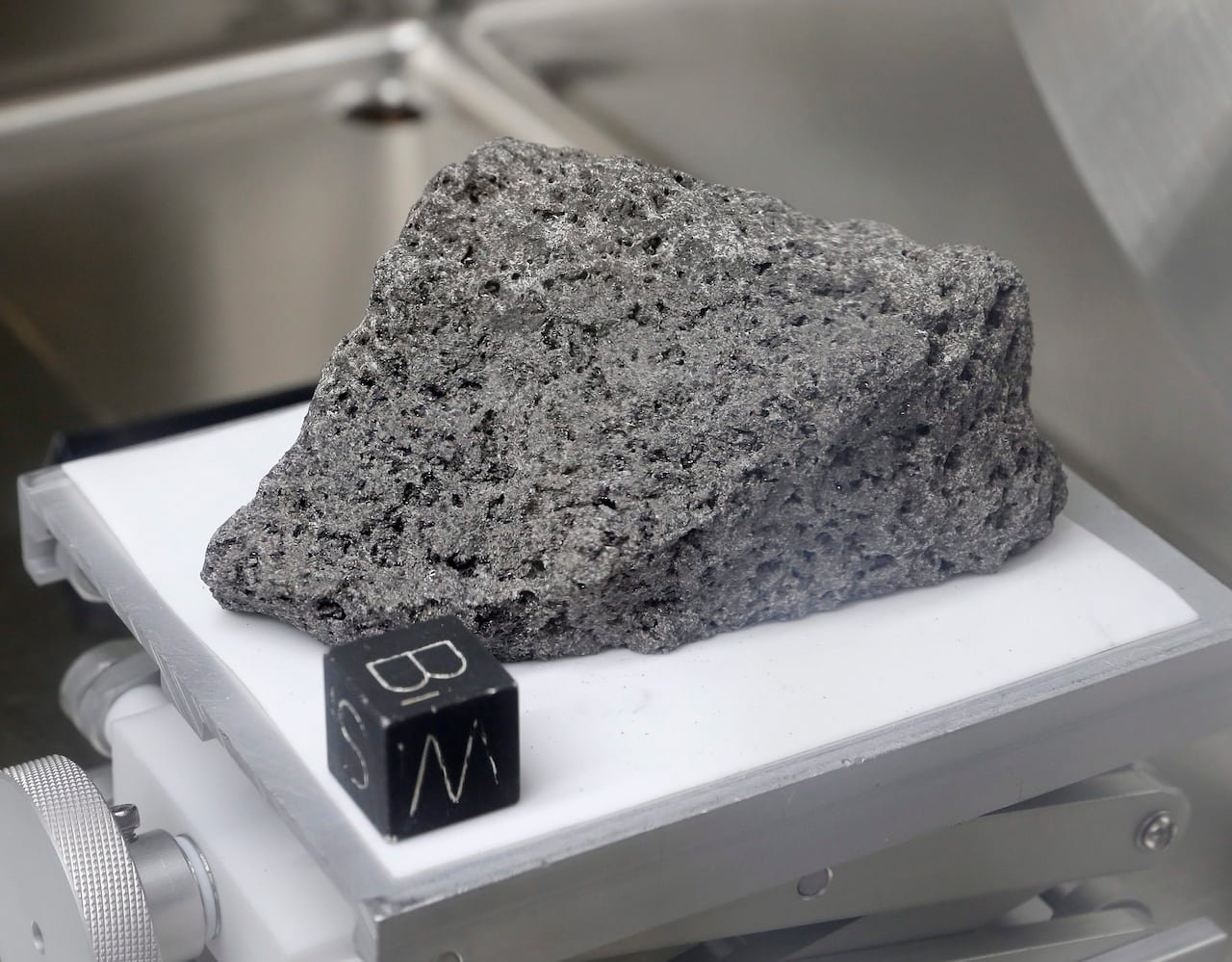
The study team reexamined previous measurements of Apollo samples and discovered a correlation between high titanium levels in the rocks and evidence of intense magnetic activity. Rocks from both the first and last moon landings, Apollo 11 and Apollo 17, were particularly rich in titanium.
According to Nichols, this discovery fills a significant gap in understanding the moon’s magnetic behavior, indicating that magnetic field activity could have been more variable and stronger than previously assumed.
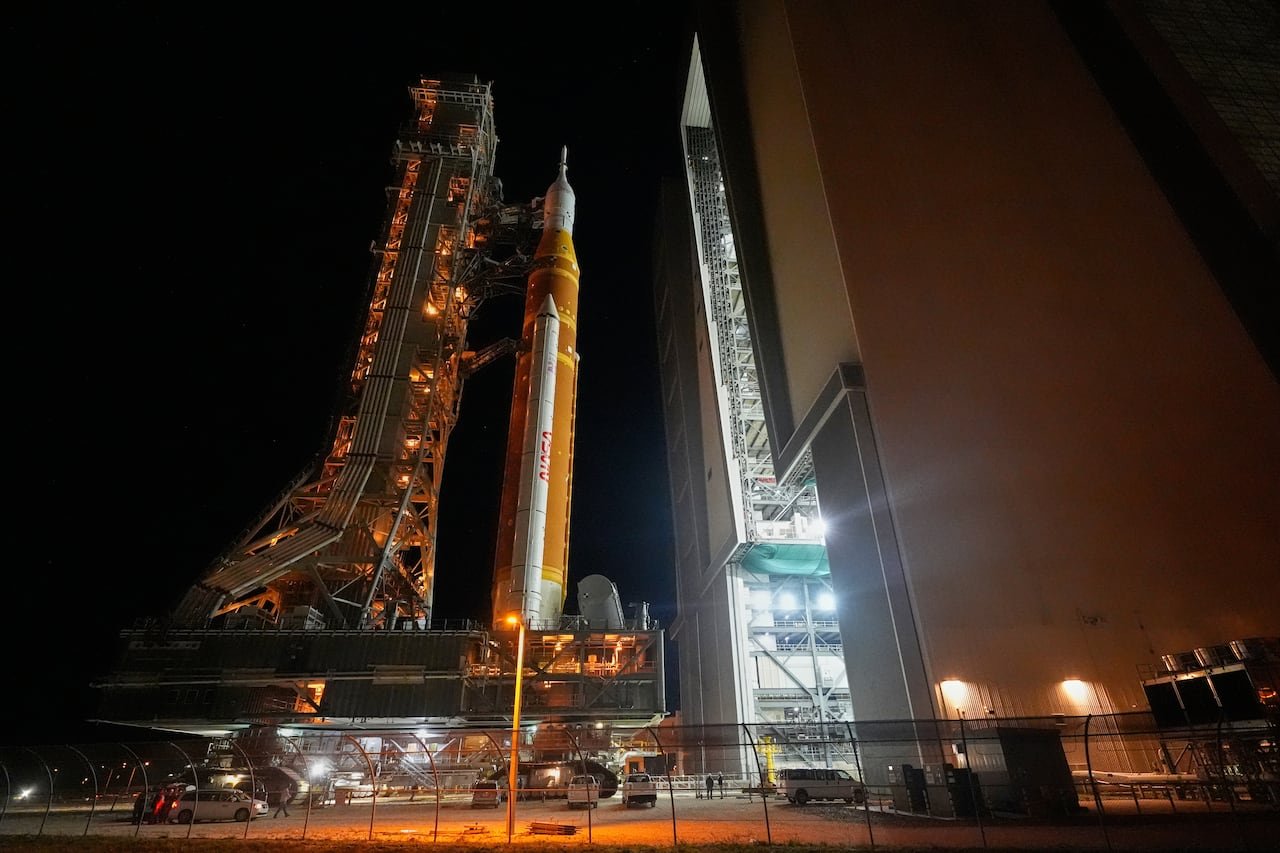
The researchers argue that the Apollo samples, collected from similar locations abundant in titanium due to volcanic activity, may not be fully representative of the moon’s overall composition. Future Artemis missions aim to investigate ancient rocks near the moon’s south pole, where areas with water ice are believed to exist in permanently shadowed craters.
Understanding the evolution of the moon’s magnetic shield is crucial for assessing the potential habitability of other planetary bodies, Nichols emphasized.