

Following his success in brokering a ceasefire in Gaza and securing the release of Israeli hostages, U.S. President Donald Trump is now shifting his focus to the long-standing conflict between Russia and Ukraine, a situation he vowed to address since his return to office.
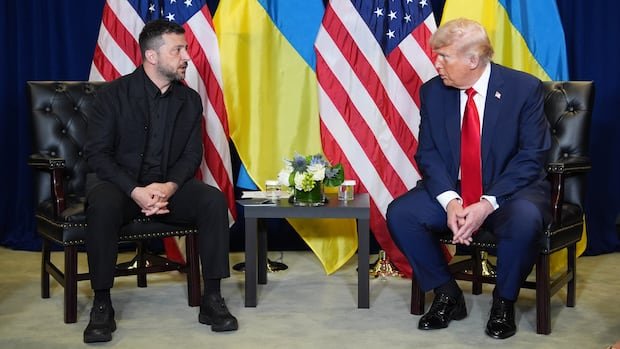
Trump is set to welcome Ukrainian President Volodymyr Zelenskyy to the White House on Friday, a day after expressing satisfaction with the progress made during a recent phone call with Russian President Vladimir Putin.
Zelenskyy is linking Trump’s achievements in the Middle East to the potential for resolving the conflict in Europe.
“Maintaining the momentum for peace is crucial,” Zelenskyy stated on social media this week. “Positive actions by the U.S. could contribute to ending Russia’s aggression against Ukraine.”
Despite Zelenskyy’s optimism and Trump’s confidence in his ability to mediate peace between Russia and Ukraine, experts caution that this task will be significantly more challenging compared to the Israel-Hamas conflict resolution.
Charles Kupchan, a senior fellow at the Council on Foreign Relations in Washington, D.C., emphasized the differences between the two conflicts, highlighting the limited leverage the U.S. holds over Russia compared to its strong ties with Israel.
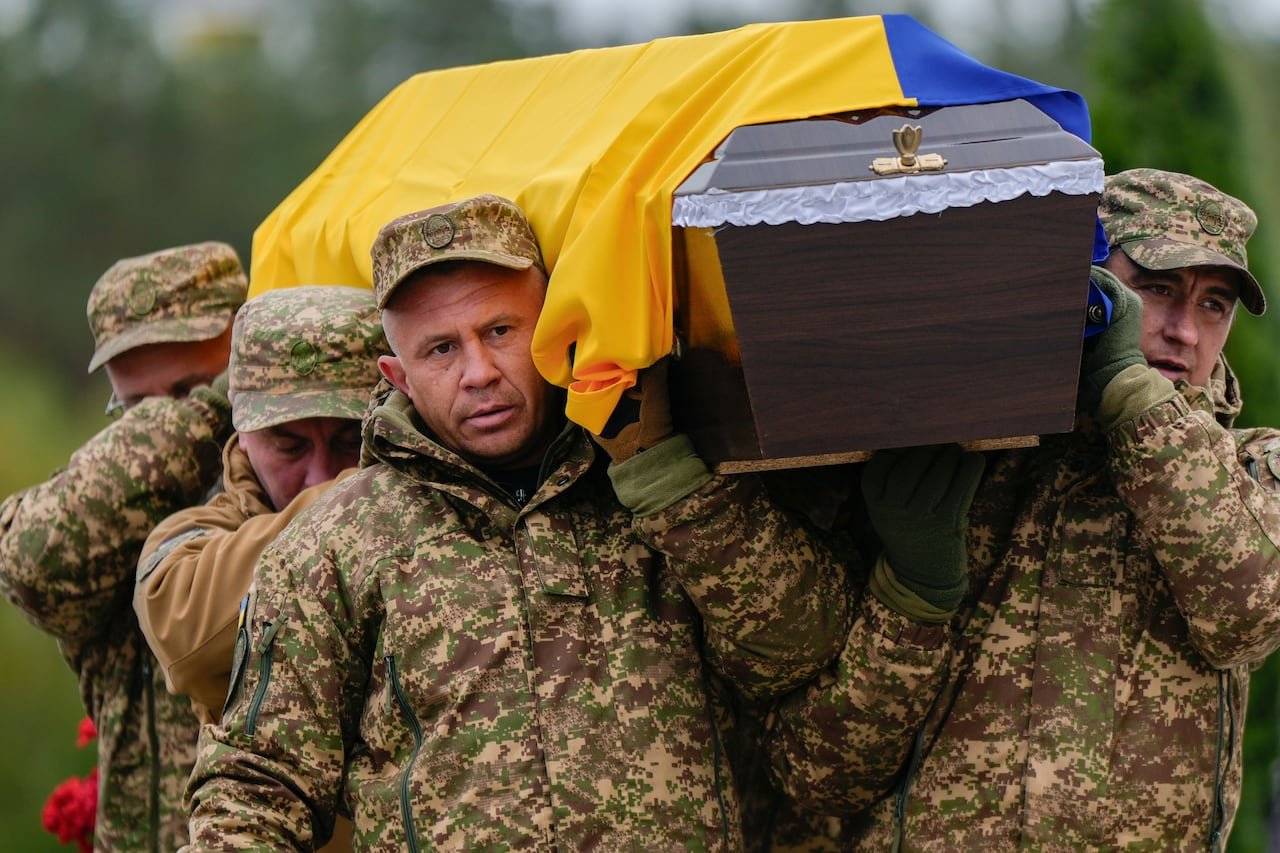
Challenges with Sanctions
“The U.S. provides extensive support to Israel, including diplomatic, economic, military, and technological assistance. However, these ties do not exist with Russia,” Kupchan explained.
Additionally, Western sanctions have not proven effective in exerting pressure due to Russia’s strong economic connections with China and India.
“The notion that strangling the Russian economy would lead to the end of the war is not credible,” Kupchan added.
Maria Snegovaya, a senior fellow at the Center for Strategic and International Studies, pointed out that halting Russia’s aggression against Ukraine presents a tougher challenge for Trump than the Gaza deal.
“These are fundamentally different conflicts,” Snegovaya remarked.
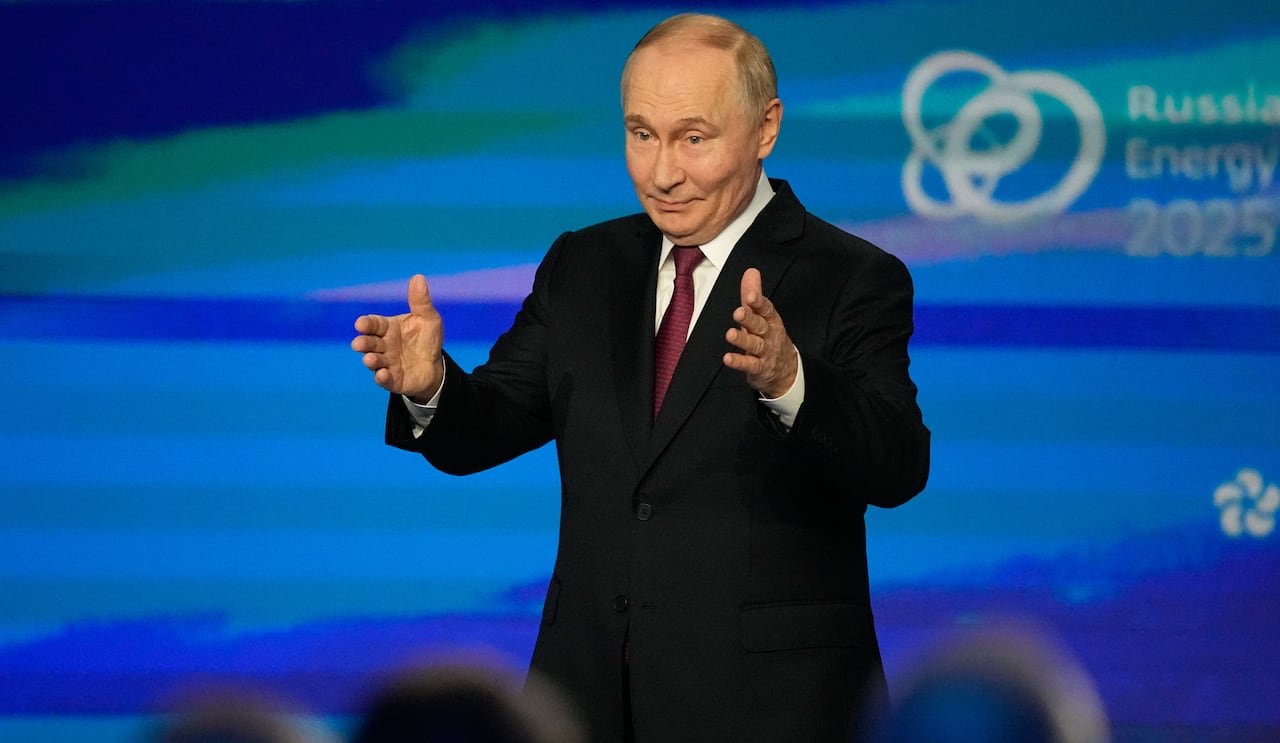
“It’s unlikely that a major breakthrough will be achieved anytime soon, unless Trump is willing to adopt a more assertive approach, using both incentives and penalties,” she added.
One measure Trump is considering is providing Ukraine with Tomahawk cruise missiles, capable of reaching deep into Russian territory.
During his recent phone conversation with Putin, Trump mentioned the possibility of supplying these missiles.
“I suggested sending a couple of thousand Tomahawks to the opposition. I was very direct about it. He wasn’t receptive to the idea,” Trump revealed.
The discussion on Tomahawks is anticipated to be a focal point of Trump’s meeting with Zelenskyy on Friday.
While the missiles could enhance Ukraine’s striking capabilities, experts believe they alone may not be sufficient to compel the Kremlin to engage in peace negotiations.