
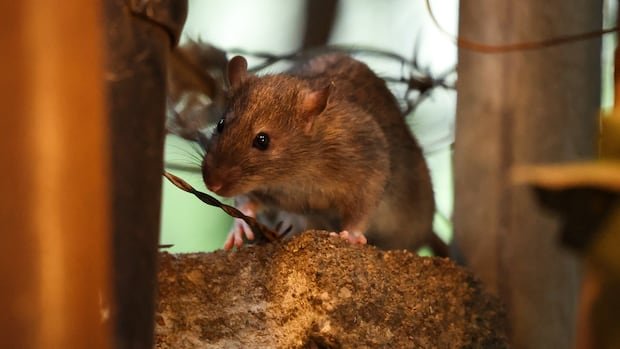


Researchers in Chicago’s Lincoln Park area are monitoring rat activity with hidden cameras in alleys to assess the effectiveness of a new bait containing a potential rat population control method.
Studies indicate that climate change, urbanization, and population density contribute to the rise in rat populations in certain cities. Rats are known to spread diseases to humans and impact mental health, prompting research into population control measures.
Maureen Murray, leading a study at Lincoln Park Zoo’s Urban Wildlife Institute, suggests that birth control could be a viable solution for managing rat populations in urban areas.
Unlike rat poisons, which have harmful effects on other wildlife species, the focus is shifting towards finding environmentally friendly pest control methods.
Climate Change Impact on Rat Population
Climate change is altering weather patterns, allowing rats in northern North American cities to reproduce more before the winter shutdown, leading to an increased risk of disease transmission to humans.
Experts warn that rats in areas with high bacteria and virus prevalence, such as sewers and slaughterhouses, pose a significant health risk. Bobby Corrigan, a veteran rodentologist, emphasizes the potential threat rats pose due to their behavior in such environments.
The spread of leptospirosis, a disease linked to rat urine and bacteria, is a growing concern in cities like Chicago, potentially exacerbated by climate change.
Testing birth control methods on rats is a complex process. The use of a non-hormonal product containing extracts from the Thunder God vine aims to reduce rat fertility without sterilizing them, requiring consistent consumption by the rat population for effective control.
Rat Birth Control Studies
In Chicago, researchers are conducting studies in alleys using birth control-laced peanut butter pellets, monitored through cameras to track rat activity and bait uptake. Control alleys with placebo pellets help isolate the contraceptive effect on rat populations.
While some cities explore rat birth control methods, concerns remain about the effectiveness of such products in real-world urban environments. Scientists call for more evidence before widespread adoption of rodent contraception.
Non-profit organizations like Wisdom Good Works aim to reduce rodent poison use through scientifically tested products, highlighting the potential benefits of non-hormonal contraceptives for rodent control.
However, challenges persist in implementing rat birth control in diverse urban rat populations, suggesting a multifaceted approach involving waste management and environmental hygiene as a more sustainable solution for urban rat control.