

McMaster University has unveiled an Indigenous rendition of its Marauder logo, blending Indigenous symbolism with the institution’s athletic heritage to promote inclusivity and reconciliation. Created by Cayuga Woodland artist Kyle Joedicke in collaboration with the Indigenous Student-Athlete Council (ISAC), Indigenous Student Services (ISS), and the Equity and Inclusion Office, the logo integrates Indigenous patterns and symbolism with McMaster’s established athletics identity. Inspired by the Seven Grandfather Teachings, the design features an eagle at its core, symbolizing love and connection to the Creator. Additionally, the logo incorporates Woodland-style “spirit lines” to signify the flow of spirit and the intergenerational bonds between individuals and their ancestors.
For Indigenous student athlete Seth Cabezas, who is Anishinaabe and Métis from Treaty 9 territory, the new logo holds personal significance, representing a vital aspect of his identity that is often overlooked elsewhere. Cabezas, a fourth-year student studying Indigenous studies and history and co-president of ISAC, views the logo as a means of fostering a sense of community for Indigenous athletes at McMaster.
Chrissy Doolittle, director of ISS, emphasized the logo’s importance as a visual representation of the Indigenous community within McMaster. She highlighted the significance of an Indigenized version of the Marauder logo, enabling Indigenous students and community members to see themselves reflected in the university’s identity.
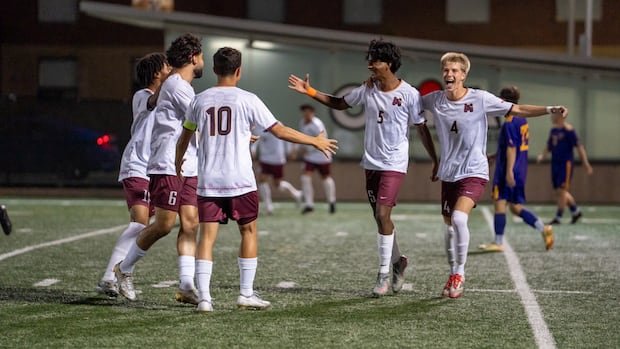
The debut of the redesigned logo coincided with the fifth National Day for Truth and Reconciliation and was showcased during a truth and reconciliation soccer event at McMaster. Joedicke, who grew up between Caledonia and Six Nations of the Grand River, infuses his art with Haudenosaunee narratives and cultural teachings. The project, a personal milestone for Joedicke, aims to instill a sense of ownership and belonging for Indigenous individuals on campus.
The logo’s introduction has sparked increased interest in ISAC among students, inspiring discussions about the resilience and perseverance of Indigenous communities. Cabezas emphasized the council’s mission to empower Indigenous youth to pursue higher education and celebrate their cultural heritage within academic settings.
Keenan Jeppesen, McMaster’s athletics and recreation director, acknowledged that the logo represents just one step in the university’s ongoing efforts to enhance the experience of Indigenous students. Recognizing the importance of continuous learning and engagement in truth and reconciliation initiatives, McMaster remains committed to building bridges with the Indigenous community and contributing to the broader reconciliation process.