
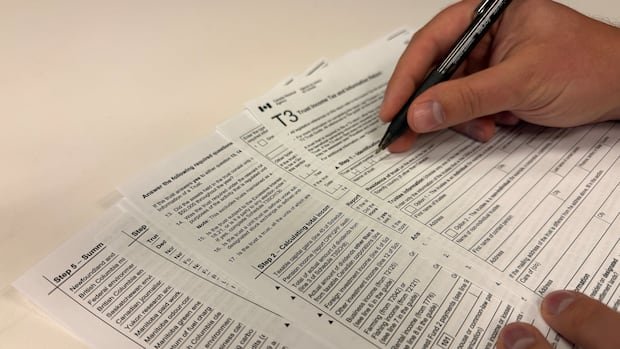

According to an accountant, some taxpayers who submitted “bare trust” forms to the Canada Revenue Agency in the previous year might have done so unnecessarily as the federal government is exploring additional modifications to the reporting criteria. These potential changes could lead to another chaotic tax season.
In 2022, new tax reporting regulations for trusts were introduced by the government, planned to be effective for the 2023 tax year. While the rules were aimed at addressing issues like money laundering, terrorist funding, and tax evasion, many Canadians with simple bare trusts were required to file complex forms.
The CRA decided to halt the reporting requirements for bare trusts in March 2024, just before the filing deadline, due to an “unintended impact on Canadians.” The pause was extended last year as the Finance Department proposed adjustments to offer clarity to taxpayers.
A bare trust arrangement involves a trustee holding legal ownership of a property or asset without beneficial ownership. The trustee’s sole function is to hold legal title to the property and cannot act without instructions from the beneficiary.
Ryan Minor, a director with Chartered Professional Accountants of Canada, explained that the primary role of a bare trust trustee is to maintain legal title. Unlike express trusts that are intentionally created by lawyers, bare trusts can arise incidentally, such as when a parent co-signs a mortgage or adds children to a bank account for bill payments.
The proposed changes, presented in August, would exempt specific bare trusts, including situations like joint ownership of a bank account by spouses or a parent co-signing a child’s mortgage by being listed on the property title.
The Finance Department spokesperson mentioned that these exemptions aim to provide certainty to parties regarding their obligation to submit beneficial ownership returns.
More than 44,000 taxpayers submitted forms before the last-minute pause, with some potentially falling under the proposed exemptions. Minor expressed approval of the proposals but suggested that further consultations could have prevented the wasteful situation.
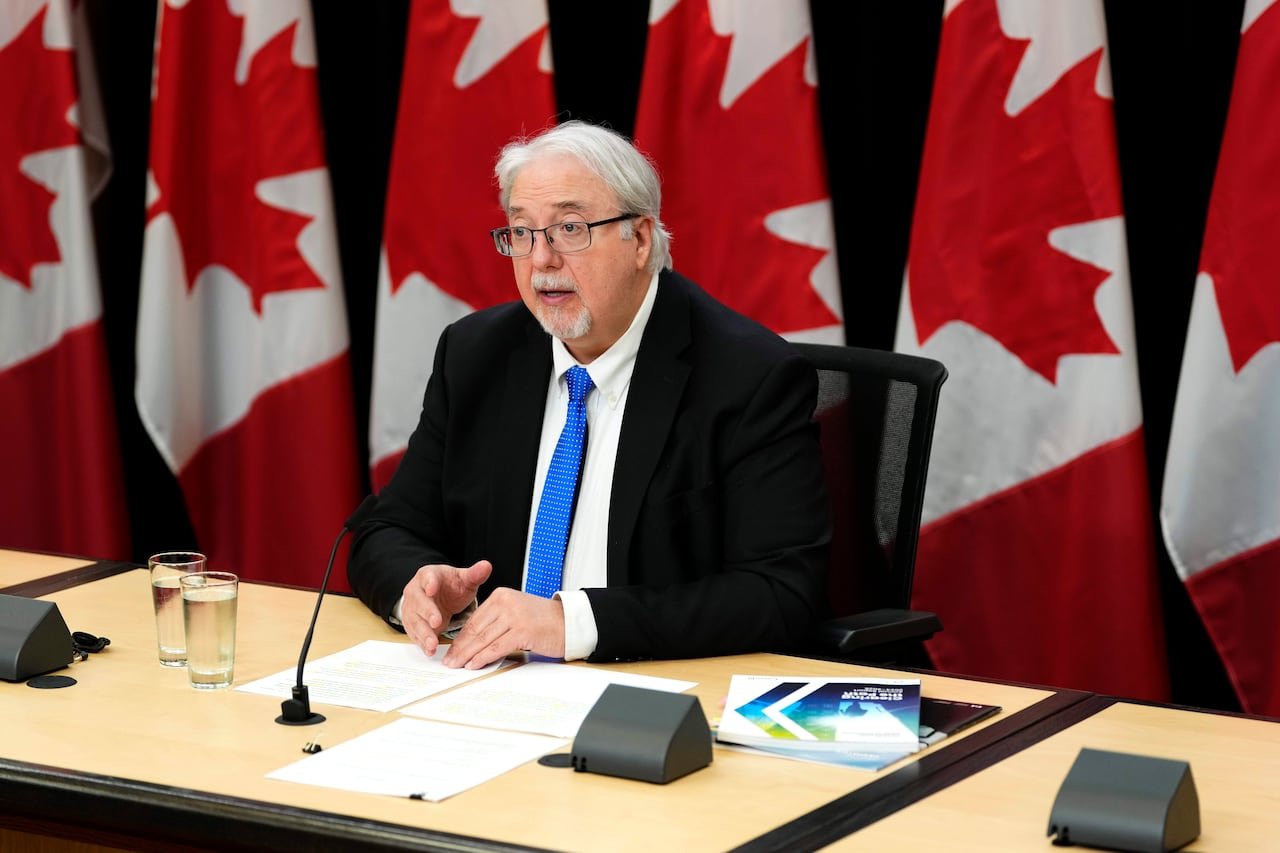
The CRA was criticized by its watchdog for the abrupt pause in 2024, resulting in wasted efforts, as highlighted in an 80-page report by François Boileau, the taxpayers’ ombudsperson.
Norman Tollinsky from Thornhill, Ont., hired an accountant to handle forms for two trusts in 2024 and now anticipates only needing to file for one following the government’s clarification efforts.
Tollinsky expressed approval of the proposed changes but noted that not everyone would benefit from them. He highlighted the need for simplified forms for Canadians dealing with bare trusts.