
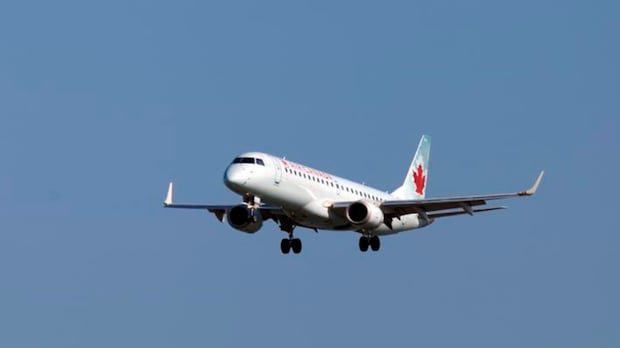

Severe clear-air turbulence is increasingly becoming a concern in aviation, with climate change identified as a major contributing factor. This phenomenon, which occurs without visible warning signs, poses significant risks to flight safety as demonstrated by a harrowing incident on Air Canada Flight AC33 in 2019.
During the 15-hour flight from Vancouver to Sydney, passengers like Luke Wheeldon and Linda Woodhouse experienced a sudden and violent episode of turbulence that left 37 people injured. The disturbance, lasting only 10 to 15 seconds, caused chaos onboard as individuals were thrown around the cabin, sustaining injuries.
Researchers, led by Paul Williams from the University of Reading, have linked the rise in clear-air turbulence to climate change. As global temperatures increase, the upper atmosphere experiences shifting temperature patterns, particularly in the jet stream region between 35,000 and 40,000 feet. This warming jet stream generates wind shear, leading to the development of clear-air turbulence.
The unpredictability and increasing frequency of clear-air turbulence have prompted scientists to explore innovative solutions. Aimy Wissa, an aerospace and mechanical engineering professor at Princeton University, and her team are studying bird flight patterns to enhance aircraft stability during adverse conditions like turbulence. By mimicking birds’ wing structures, researchers hope to improve aircraft performance and safety.
Despite advancements in turbulence forecasting, the challenge persists, especially as severe clear-air turbulence is projected to double in key flight regions if emissions continue unchecked. Passengers are advised to prioritize safety measures, such as wearing seat belts during flights, as statistics indicate that seatbelt use significantly reduces the risk of injuries during turbulence incidents.
As the aviation industry grapples with the escalating impact of climate change on turbulence, ongoing research and precautionary measures are essential to ensure the safety of air travel in the face of these turbulent challenges.