
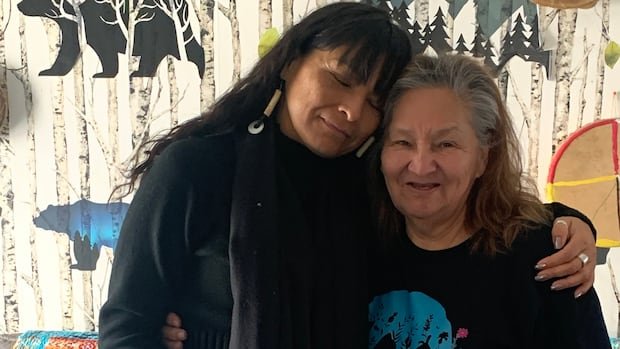

Leticia Racine is still grappling with the repercussions of a custody battle that reached the Supreme Court of Canada four decades ago, impacting not only her life but also that of many other Indigenous children since then. The legal dispute severed her ties with her biological family, cultural roots, and even her own sense of self for years.
Born in 1976, Leticia’s journey into foster care commenced shortly after her birth. Linda Daniels, struggling with alcoholism due to her time at Sandy Bay residential school and facing domestic violence, had to relinquish her to child and family services for safety reasons. A fortuitous encounter led Leticia to her eventual foster parents, Sandra and Allan Racine, who resided near Deloraine, Manitoba.
Legal battles ensued between Daniels and the Racines over Leticia, with Daniels making several attempts to regain custody but facing resistance. The involvement of Dakota Ojibwe Child and Family Services marked a turning point in the dispute. The case eventually made its way to the Supreme Court of Canada in 1983, where the court deliberated on the significance of Leticia’s bond with the Racines versus her connection to her birth mother and Indigenous heritage.
Ultimately, the Supreme Court ruled in favor of the Racines, granting them full custody of Leticia. Despite efforts to secure visitation rights, Daniels was prohibited from contacting her daughter for five years. This landmark case, known as Racine v. Woods, established a precedent emphasizing the importance of the bond with foster parents and had lasting implications for Indigenous child welfare in Canada.
The aftermath of the legal battle saw Leticia facing identity struggles as a teenager but eventually finding solace and healing through cultural practices. Today, she advocates for Sixties Scoop survivors, reflecting on her past and emphasizing the enduring impact of state removals of Indigenous children.
The legacy of cases like Racine v. Woods underscores the ongoing challenges faced by Indigenous communities in Canada, highlighting the need for cultural preservation and respect for Indigenous identities.