

In the depths of space lie harsh conditions – a vacuum with bone-chilling temperatures, intense ultraviolet radiation, and scarce oxygen. Despite these challenges, Japanese scientists have uncovered a resilient moss species that defies many of these adversities.
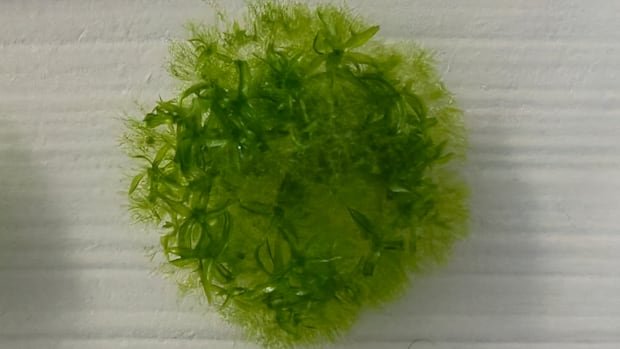
In a recent study released on Thursday, researchers dispatched a moss variety known as Physcomitrium patens to the International Space Station (ISS). Rather than enjoying the comfort of the station’s Earth-like environment, this moss endured nine months in the unforgiving expanse of space.
The experiment focused on three developmental stages of the moss: protenemata (juvenile moss), brood cells (specialized stem cells), and sporophytes (reproductive structures enclosing spores). While not all stages survived the space conditions, the results were intriguing.
Juvenile moss struggled to withstand the high levels of ultraviolet radiation and extreme temperature fluctuations. In contrast, brood cells exhibited a higher survival rate enduring freezing temperatures for 30 days, with 80% of sporophytes surviving the space exposure.
Lead researcher Tomomichi Fujita, also a professor at Hokkaido University, emphasized that the moss could endure a nine-month space exposure without growth. Upon returning to Earth, approximately 90% of the spores successfully germinated and thrived in a lab setting.
The study contributes to the broader exploration of plants in space, a field with a rich history of testing the limits of organisms beyond Earth. Growing plants in space serves a crucial purpose, not just for sustenance but also for psychological well-being, as noted by Catherine Neish from Western University.
Neish’s previous experiment involved cultivating plants in lunar and Martian regolith, with surprising success despite the challenges. The idea of using Physcomitrium patens stemmed from its toughness and adaptability, making it a promising candidate for potential space ecosystems.
The researchers speculate that the moss spores’ protective structure shields them from the harsh space environment, possibly absorbing UV radiation and safeguarding the inner spore from harm. This resilience hints at how bryophytes, like this moss group, transitioned from aquatic to terrestrial life around 500 million years ago.
Fujita sees these findings as a stepping stone towards establishing sustainable ecosystems on celestial bodies like the moon and Mars. The hope is that the robustness of moss could pave the way for future space exploration advancements.