
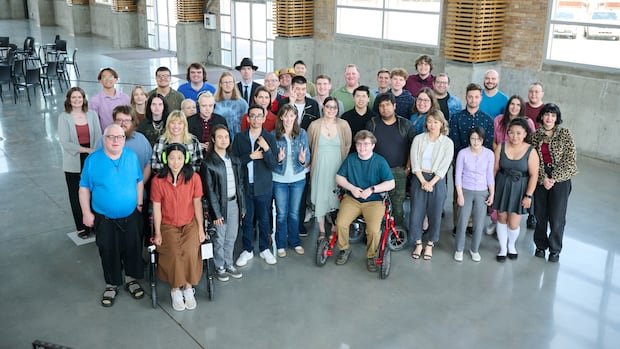

Margaux Wosk, the president of disability non-profit BC People First, an autistic advocate, activist, and small business owner, had reservations about appearing on television. Despite her busy schedule, she hesitated due to her critical views on how the media portrays autistic individuals. The opportunity to participate in Canada’s version of “The Assembly,” where autistic and neurodivergent interviewers engage with Canadian celebrities, posed a potential risk.
The representation of autistic individuals in various media, such as the Netflix show “Love on the Spectrum,” has been a subject of debate. While some shows are commended for their inclusive storytelling and involvement of neurodivergent individuals behind the scenes, others like “The Assembly” have faced criticism for potentially patronizing portrayals and condescending perspectives from non-autistic viewers.
Popular shows like “The Good Doctor” and “Atypical” have been under fire for their inaccurate representation of autism and the lack of autistic actors in significant roles. In contrast, series like “As We See It,” “Dinosaur,” and “Everything’s Gonna Be Okay” have been praised for their respectful depiction of autistic characters and efforts to include neurodivergent individuals in the production process.
“The Assembly,” based on the French series “Les Rencontres du Papotin,” has expanded its format to different countries, including Canada, where it premiered on Nov. 6 on CBC Gem. The show pairs neurodivergent individuals, including those with autism, with celebrities for candid interviews.
Celebrities like Jann Arden, Maitreyi Ramakrishnan, and Howie Mandel have participated in the Canadian series, experiencing a range of reactions from embarrassment to calling it the best interview ever. The show aims to facilitate honest and authentic interactions between guests and panel members.
Despite mixed reviews of the show’s various iterations globally, Margaux Wosk found her experience on “The Assembly” to be uplifting and collaborative. The show’s success, she believes, stems from its genuine consultation with autistic individuals, a crucial factor often overlooked in programs criticized for their condescending portrayal of neurodivergent people.
Executive producer Sean De Vries emphasized the show’s commitment to allowing autistic individuals to express themselves authentically through thought-provoking questions posed to celebrity guests. While “The Assembly” is perceived as a positive step, some, including autistic culture writer Sarah Kurchak, raise concerns about its potential to evoke voyeuristic reactions and tokenization of neurodivergent individuals.
Kurchak highlighted the importance of showcasing the diverse perspectives and capabilities of autistic individuals rather than reducing them to mere entertainment. While acknowledging the progress made by “The Assembly,” she stressed the significance of viewing autistic individuals as integral members of society deserving respect and representation in a variety of roles.
Margaux Wosk echoed the sentiment of involving autistic individuals in media representation to ensure accurate and respectful portrayals. She believes that “The Assembly” sets a positive example in this regard by including autistic individuals in various aspects of its production.
In conclusion, while acknowledging the ongoing criticisms and imperfections in representing autism in media, Wosk emphasized the importance of striving for inclusivity and authenticity in storytelling, particularly by involving and consulting with autistic individuals at every stage of production.